Open Source and Regulation Are Both Dangerous

This week, the US government threatened to ban the best open source Chinese AI models, accusing them of stealing intelligence from US companies like Anthropic and OpenAI. In response, startups and investors, with no stake in OpenAI or Anthropic, began loudly claiming the competitive necessity of open source models. Here's why both sides are wrong:
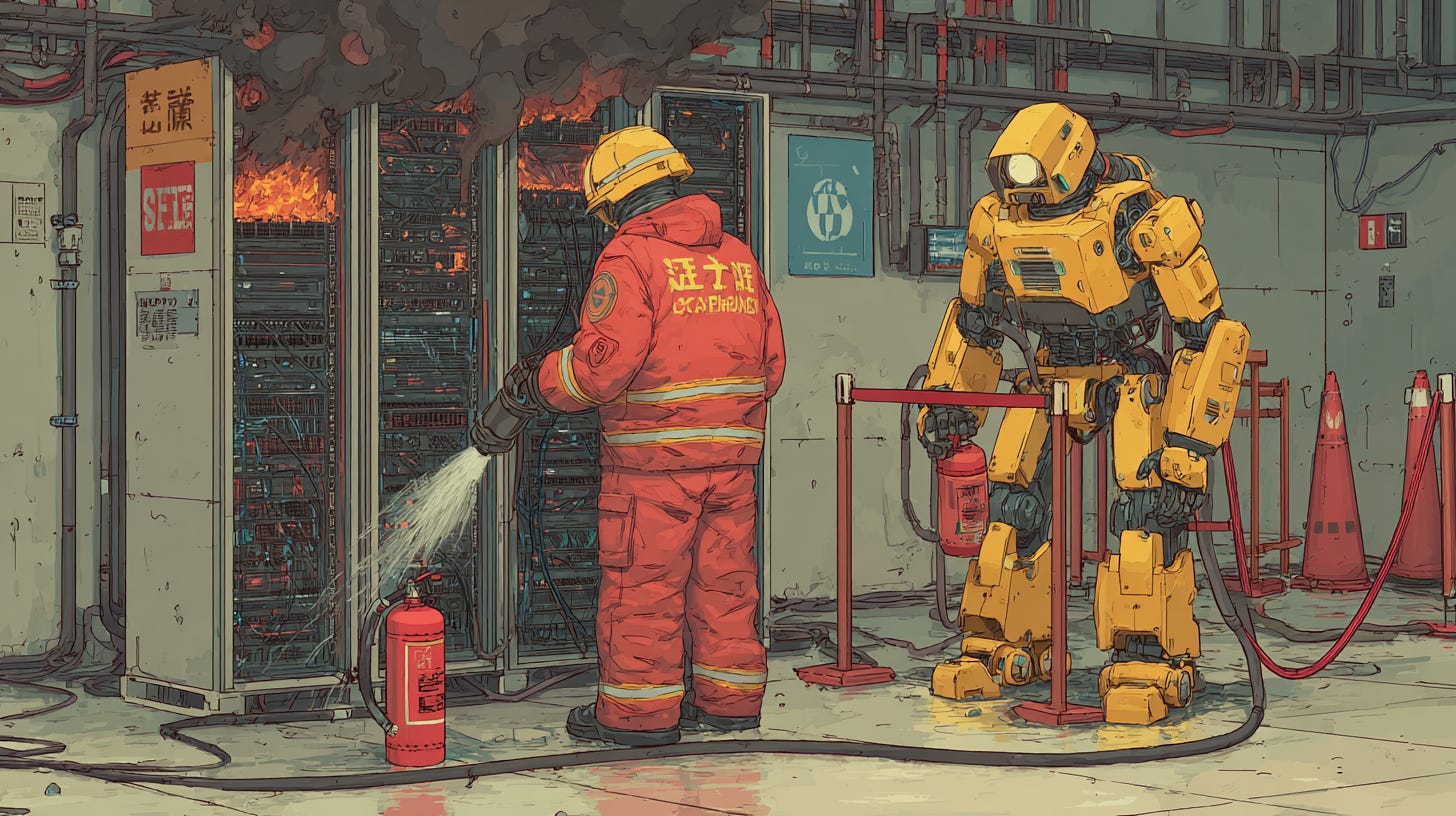
Banning code is difficult and almost never works, so trying to regulate popular open source projects will be equally challenging, if not more so, leading to partial enforcement. Regulation against open source models reduces American effectiveness too, as they offer a lower cost option than commercial AI and in some cases, better tools. For example, Hugging Face's recent hack by an errant OpenAI model was resolved by a Chinese open source model, because the US commercial model's guardrails blocked any help.
At the same time, it's a clear irony for OpenAI and Anthropic to claim 'fair use' for the content they used to build their models, while screaming theft when another party uses their service to improve their own models. Even based on the timelines, it's not clear the latest Chinese models had enough opportunity to replicate the best US models.
Equally preposterous is the idea that open source software, created through IP theft and built by American adversaries, is both safe for and essential to US businesses. It is perfectly reasonable for a government to restrict genuine bad actors within its economy. But even if the bans never materialize, do we really want code created under an adversary's control on every American server? The XZ Utils hack from 2024 shows how a widely used open source project is just one update away from compromising swathes of the planet.
The answer is clearly somewhere in the middle. If a product is proven to be based on theft, it should not be available; if valuable open source code is built by our adversaries, Americans need to make it their own. We didn't respond to Sputnik with a ban, we went to the Moon.
#Marketing